The Future of Selling New Homes Without a Physical Model Home
Buying a home has always come with a bit of imagination. For years, builders leaned on model homes to help buyers picture their future kitchen, backyard, or living room. It worked well, but it also came with a hefty price tag in land, construction, staffing, and upkeep.
Things are shifting now. Buyers want quick answers, virtual walkthroughs, and the ability to explore a property from their couch. That’s exactly why more builders are turning to a 3D architectural visualization studio in India to reach buyers across the USA and beyond.
In this article, we’ll look at why physical model homes are becoming less necessary, how 3D visualization is changing the real estate sales process, and what the future holds for home builders.
Why Physical Model Homes Are Losing Their Advantage
Model homes have always helped buyers picture layouts and finishes. But they come with real drawbacks.
- Typical problems are:
- Expensive
- Non-flexible
- Traveling needed
- Time-consuming update
- Long construction time
Today’s buyers prefer to look online first. They compare properties, watch videos, and often decide before ever setting foot on-site.
That shift in behavior is pushing builders to rethink how they showcase a project.
How a 3D Architectural Visualization Studio in India Supports Modern Home Sales
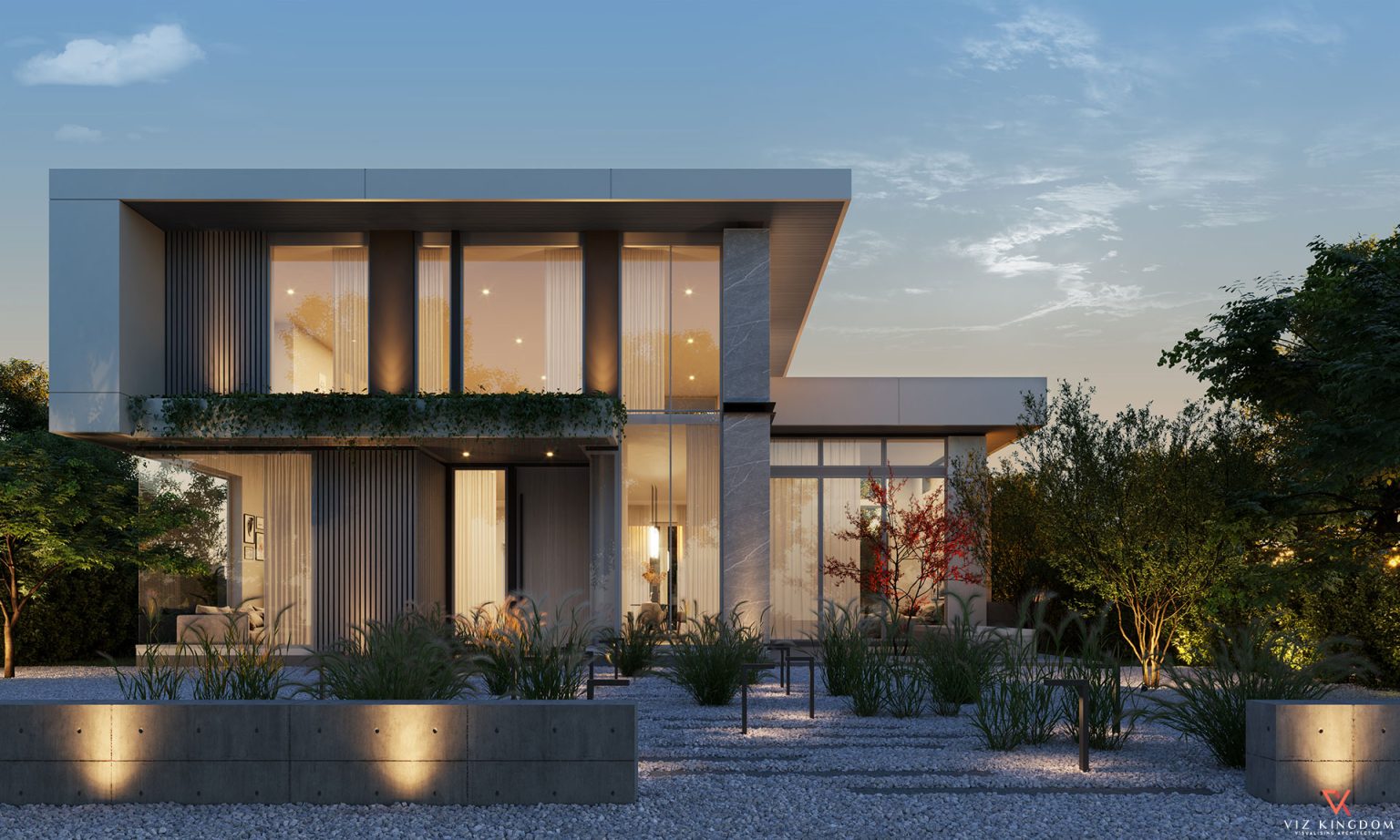
A skilled 3D architectural visualization studio builds realistic digital versions of homes long before construction wraps up.
The visualizations usually consist of:
- Exterior renderings
- Interior renderings
- Floor plans in 3D
- Walkthrough videos
- Virtual reality experience
- Interactive tour
Rather than exhibiting just one physical model, the developers can show different floor plans in digital format so that people can make comparisons between them.
For US builders, working with a studio in India also means access to experienced artists, quicker delivery, and lower production costs without sacrificing quality.
Buyers Want Convenience More Than Ever
Hardly anyone starts their home search by driving to a construction site anymore.
Most buyers now:
- Browse listings
- Compare communities
- Watch tours
- View walkthroughs
- Book visits later
Digital visualization fits right into that pattern.
Instead of squinting at blueprints and guessing, buyers get to see the finished home on their phone or laptop, well before it’s actually built.
That kind of clarity builds trust early in the process.
Visual Storytelling Creates Better First Impressions
A home isn’t just square footage on paper. It’s where birthdays happen, where Sunday mornings feel slow, where life actually unfolds.
Good visualization captures that feeling.
Rather than flat technical drawings, builders can show:
- Bright living rooms
- Furnished kitchens
- Landscaped yards
- Cozy bedrooms
- Shared amenities
- Different seasons
These small emotional touches help buyers connect with a home far faster than any blueprint could.
Sell Homes Before Construction Begins
One of the biggest wins with digital visualization is the ability to pre-sell.
Builders don’t have to wait for the first unit to be finished anymore.
They can market their project with:
Photorealistic Renderings
Customers immediately understand how the final product would look.
Walkthrough Animations
Prospects can “walk” through each room before a single wall goes up.
Interactive Floor Plans
Buyers explore layouts on their own time, at their own pace.
Community Visualizations
Entire neighborhoods can be shown off long before roads or clubhouses exist.
This lets builders generate interest and lock in bookings much earlier, which helps cash flow too.
Personalization Makes Buyers Feel More Involved
Every buyer wants something a little different.
Some want hardwood floors. Others want a sleek modern kitchen. Some love dark, moody interiors, while others want them bright and airy.
Digital visualization makes all of this easy to show.
Builders can instantly display different:
- Paint colors
- Flooring types
- Cabinet finishes
- Furniture styles
- Lighting setups
- Landscaping options
Buyers don’t have to imagine the upgrade anymore. They just see it.
That usually means happier customers and more premium upgrades sold.
Technology Is Changing Buyer Expectations
Real estate has picked up a lot of new tech in recent years, including:
- Virtual reality
- Augmented reality
- Interactive tools
- AI recommendations
- Mobile-first browsing
All of these work best when paired with strong architectural visualization.
As internet speeds improve and buyers get more comfortable with virtual tools, digital home shopping is only going to grow across the USA.
Benefits for Home Builders
Swapping physical model homes for digital ones brings some real advantages.
Lower Marketing Costs
No construction, furnishing, or staffing expenses to worry about.
Faster Project Launches
Marketing materials can be ready before ground is even broken.
More Customers to Reach
Buyers from out of state and overseas can investigate without having to travel.
Easier Updates to Designs
No need to tear down everything and redo; do the changes online.
Better Engagement
Interactive tours hold buyer attention far longer than a static brochure.
Common Mistakes to Avoid
Digital visualization works well, but sloppy execution can backfire.
Look out for:
- Low rendering quality
- Incorrect dimensions
- Overly edited photos
- Bad mobile display
- Old-fashioned graphics
- Unnatural lighting
A good visual representation must be realistic and reflective of the end result.
Practical Tips for Builders
Thinking about cutting back on physical model homes? Keep these in mind.
- Invest in accurate renders
- Build walkthrough videos
- Add day and night views
- Offer virtual customization
- Optimize for mobile
- Partner with an experienced studio
These small steps go a long way toward a smoother buyer journey and stronger marketing results.
Conclusion
Home sales are shifting to virtual tours, and there is no stopping it. Convenience, personalization, and actual experience of the house without actually visiting it on site are what buyers look for. No longer is it necessary to spend on physical models when one can use rendering services to showcase the whole community.
Working with the right 3D architectural visualization studio in India enables builders to market their project effectively, do it earlier than usual, and target the entire nation regardless of geographical location.
FAQs
- Why should builders consider working with an Indian 3D architectural visualization studio?
It is because such studios generally provide talented designers, faster production time, and lower prices that make them an excellent choice for builders looking to sell their products in the US.
- Can digital visualization take the place of a model home entirely?
Usually yes. Only the best developments can have a real-life model because everything else can be done through digital visualization.
- What types of projects benefit from visualization in architecture?
Single-family homes, apartments, townhouses, commercial buildings, and large planned communities all benefit from it.
- Does 3D visualization actually help sell more homes?
Yes, it is. It helps buyers imagine the space in greater detail and makes the buying process quicker.
- When can the visualization work begin?
Right after the planning and designs of the architecture are made available, visualization may start.
Testimonials

Viz Kingdom work has become an essential part in Sameer Design consultants architectural work presentations. The quality of 3D renderings are high with reasonable prices. Viz Kingdom team quickly understands our architectural 3D comments and not only respond accordingly, but also add their inputs to come up with quality work within a short period of time. I highly recommend them.
Sameer Akbar, UAE
Professional service with excellent results. We used Viz to produce 3D architectural renderings for a development project. This was used in marketing materials and greatly assisted in our sales strategy. We have used them now for several projects and would recommend them strongly.
Binoy Karia, UK

I am a professional sculptor who creates monuments in outdoor public spaces. Therefore, I needed architectural 3D design renderings which depicted my sculptures within the future environmental settings where they will permanently reside. I was referred to Viz Kingdom via a mutual business associate, and I was not disappointed. They were very accommodating with all of my requests, even though I provided them with very short notice of my project. They took direction well, were very accessible (despite being overseas), and were also good at anticipating my design objectives. As an artist, it is important for me to collaborate with those who have ann ability to easily interpret my concepts, and this company seamlessly proved strong in that regard. I would definitely recommend their architectural visualization services to my fellow associates.
Alvin, New Jersey, USA
Kaushik and his team have served me and my clients very well over the years. Since we started working together several years ago Kaushik and his team have never failed to amaze me with their level of quality and attention to detail. Their work is amazing and highly effective for helping clients and contractors visualize our vision for various commercial and residential projects. It is without any reservations that I recommend Kaushik and his team to help you with professional renderings. 5 STARS!
Frank Cunha III, USA
My journey with Vizkingdom began with a simple search for 3D animation walkthrough services. However, it quickly evolved into a truly rewarding and collaborative experience. The team's genuine passion for architectural visualization was evident from the outset, and their enthusiasm was contagious. The final product exceeded my expectations and served as a powerful tool for effectively communicating my design intent to stakeholders and potential investors. Their dedication to clear communication and unwavering commitment to client satisfaction ensured a smooth and successful project from start to finish.
Creative Grid 7, Australia
Viz Kingdom's communication was excellent throughout the entire project. They kept me updated on the progress and made sure I was happy with the final results.
Zaga Skerletovic, USA

Very professional services, quick turn-around, great 3D visualization services, outstanding architectural 3D renderings
Bill Brown, USA
"I had a rather challenging backyard project that Kaushik @Viz Kingdom remarkably delivered from scratch. He was very patient to listen to my concerns and execute likewise. I can’t think of a better visualization than this. I would certainly recommend him for his expertise in 3d visualization eyes closed. Also would like to work with him in my future projects as well."
Abhilash Raveendran, Senior coordinator at Ceeyem, India

"I am working with Viz Kingdom since August 2017. He has always provided me high-end architectural visualization. Even without any meeting to discuss work or telephonic explanation of work he has understood the work very well and has given us the desired output. He has always achieved to deliver the renders on time, without exception. I definitely recommend him for his expertise in the work he does."

 USA
USA UK
UK Australia
 UAE
UAE Canada
 Spain
Spain